Field stories / 01—02

What the night
reveals.

Two examples of how thermal detection and optical detail can turn a fleeting sighting into a clearer picture of wildlife movement.

Illustrative case studies · AI-generated placeholder imagery

These are example scenarios showing how a Thermal Trails field record could be presented. The accounts and images are illustrative; they are not records of commissioned surveys or verified sightings.

The route along
the hedge.

A rabbit at the edge of a field is easy to spot once. The more useful question is where it goes next.
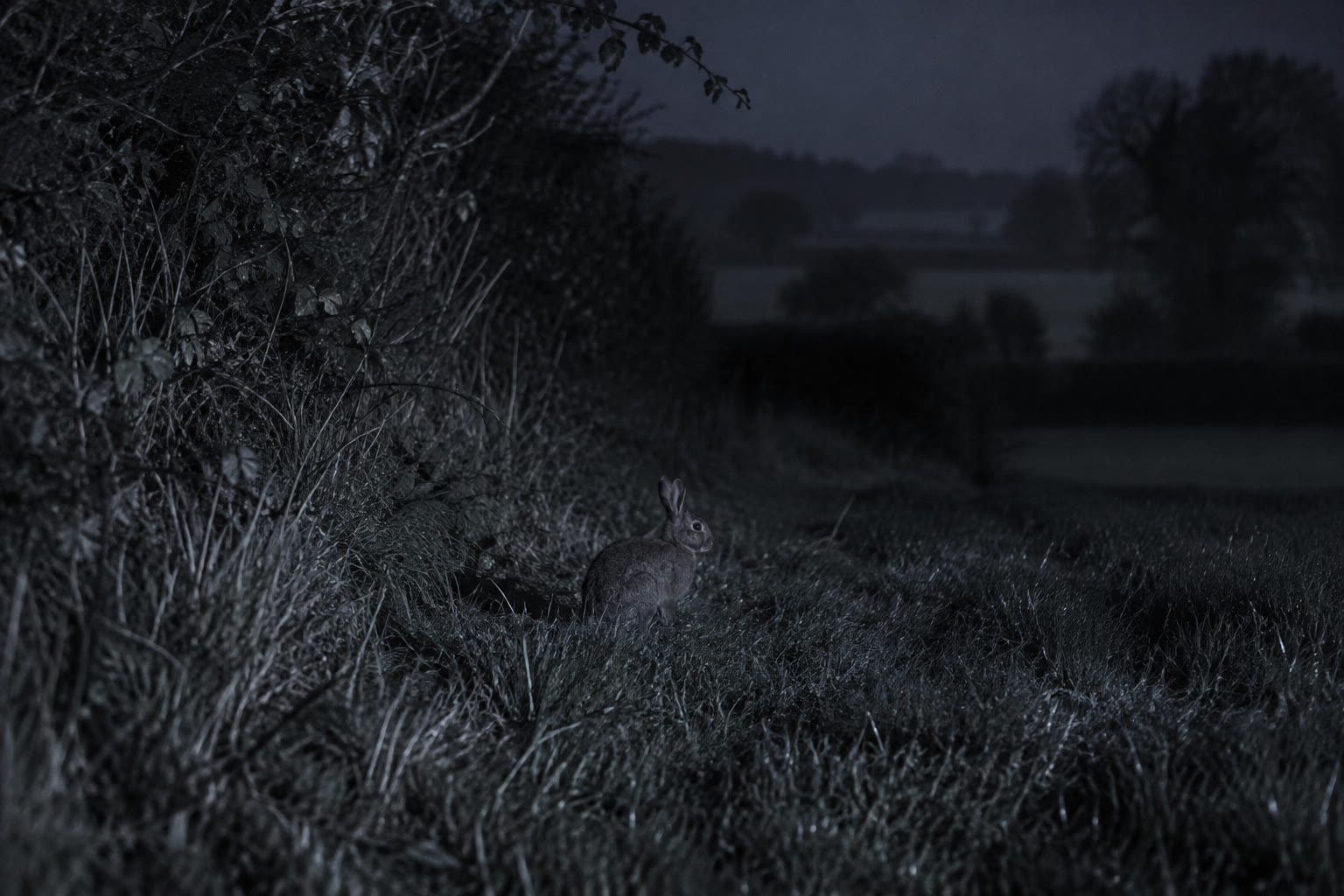
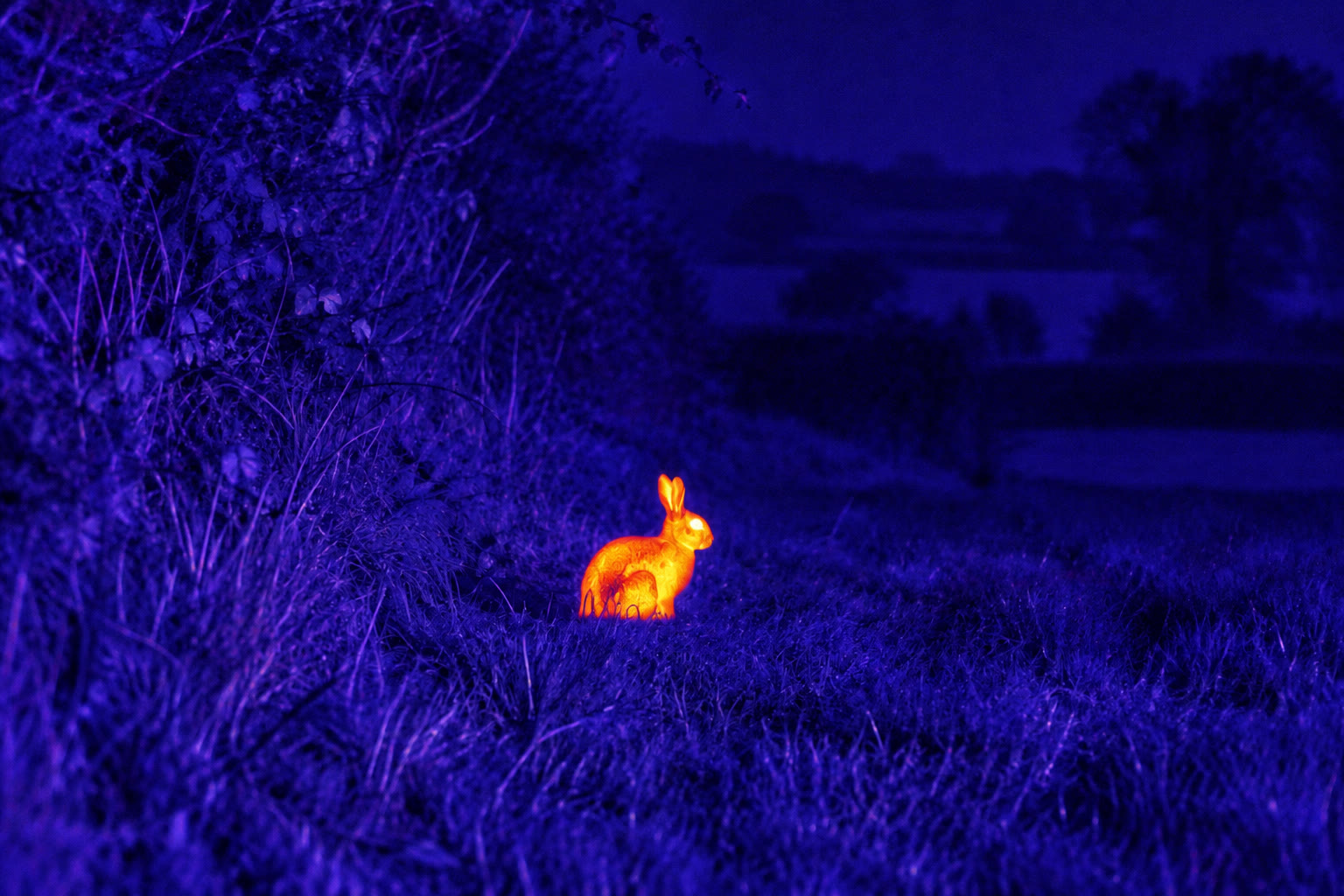
Illustrative low-light optical view: a rabbit blends into the dark grass beside a hedgerow Optical / low light
Illustrative thermal view of the same scene: the rabbit appears as a bright warm shape against cooler vegetation Thermal / heat signature
01 / Same scene, two lensesIllustrative AI-generated comparison
Watching a route,
not just a subject.

The question

For this example watch, the aim is to understand whether rabbits are simply passing through open pasture or regularly using the cover of a long hedgerow.

The approach

A thermal scan first picks out movement against the cooler grass. The camera follows the animal as it pauses, moves along the hedge and slips back into cover. Optical footage is used where the light allows a clearer identification and a more useful visual record.

The useful detail

Instead of a single isolated clip, the record connects the sighting to its setting: the field edge, the direction of travel and the point where cover is used. Repeated watches could then show whether the same route remains active.

What this illustrates

Thermal detection helps find activity; patient observation turns that activity into a picture of how an animal uses the land.
Life across
the dark water.

As daylight drops away, a quiet lake can still carry a surprising amount of movement.

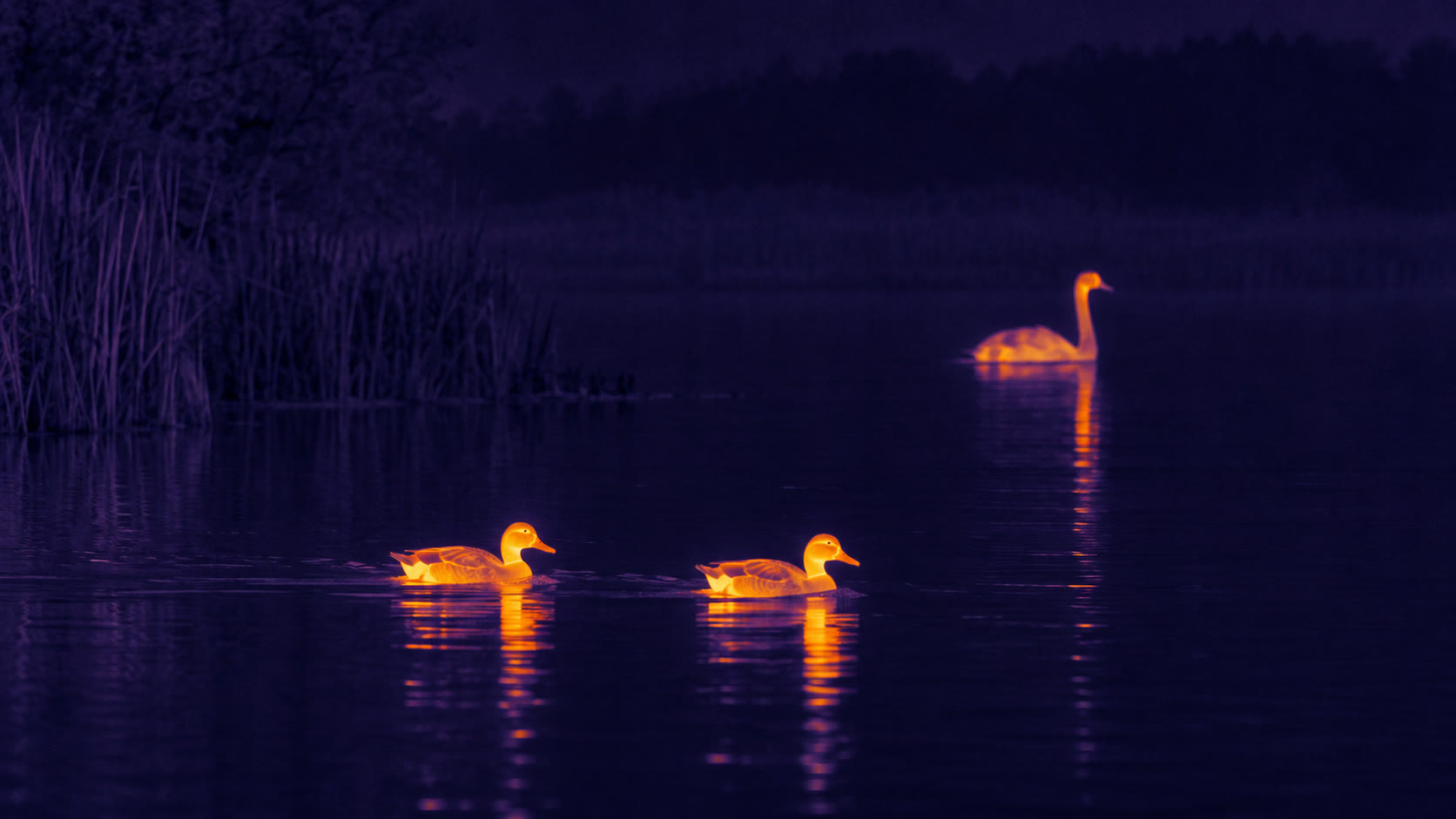
Illustrative thermal image of two ducks crossing a dark lake with a swan in the distance
02 / Lake watchIllustrative AI-generated image
One lake.
Different patterns.

The question

In this example, the watch asks which parts of a small lake are used after dusk, and whether ducks and swans favour the same water or move differently.

The approach

Thermal imaging keeps the birds visible as the bank and water darken. A wider view holds their positions in context, while optical footage adds feather and shape detail when conditions permit.

The useful detail

The record could show ducks crossing between reed beds while a swan remains farther out on open water. Timing, direction and distance from the bank make the footage more informative than a close-up alone.

What this illustrates

A thermal view can reveal movement across the whole scene, while an optical view helps identify and document the wildlife within it.

Every site has
its own story.

Tell us about the land or water you would like to understand. We can plan a watch around the questions that matter to you.

Invite us to your land